


Fuel is easy to find in Georgia — the country's main highways are lined with modern stations, prices are among the lowest in the region, and the major chains run 24/7 service stops with everything a road-tripper needs. Here is what you actually need to know to refuel without surprises, including the things most tourist guides skip — fuel quality, payment methods, station etiquette and what to do if you run out on a mountain road.
Fuel types and what your car runs on
Three grades of petrol are standard at most stations: Regular (A-92), Premium (A-95) and Super (A-98). Diesel is widely available and of high quality. Premium cars in the merent fleet run on A-95 as a rule; the correct grade is printed on the fuel cap and noted in your rental agreement. Putting A-92 in a car that needs A-95 is not catastrophic short term but can affect engine performance and efficiency over a long trip; putting petrol in a diesel engine is a contract-breaking mistake that costs thousands to repair, so always double-check the symbol on the cap before the attendant starts pumping.
The major chains worth knowing
The reliable chains for travellers, in rough order of visibility along main roads, are Rompetrol, Wissol, Gulf, SOCAR, Lukoil, Portal and SOCAR Energy. All of them maintain clean stations, accept international cards, have convenience stores with free toilets and coffee, and many run full restaurants at strategic points on the Tbilisi–Batumi and Tbilisi–Gudauri routes. Smaller independent stations exist in villages; they are fine for an emergency top-up but often only accept cash and do not always carry A-98 or reliable diesel.
Opening hours
Most large stations on the Tbilisi–Batumi, Tbilisi–Kakheti and Tbilisi–Gudauri highways are open 24 hours a day. In smaller towns and villages stations close around 22:00 and reopen at 07:00. On the mountain passes — Cross Pass, Goderdzi, Abano — stations are rare and seasonal, sometimes shut entirely in winter. Plan to reach your destination or refuel before dusk if your route includes any of them, and never rely on a remote mountain station that worked on Google Maps last year.
What to expect for prices
As of 2026 the typical price per litre is around 2.90 GEL for A-95, 2.95 GEL for A-98, 2.75 GEL for A-92 and 2.80 GEL for diesel. Prices fluctuate weekly in response to the international oil market but rarely change dramatically week-to-week. Differences between brands are small — within 5 tetri per litre — so there is little value in hunting for a cheaper station. Prices are displayed on large electronic boards visible from the road and posted again at each pump.
Fuel quality
Fuel quality in Georgia improved significantly after 2018 when stricter standards came into force. Major chains now sell Euro 5 petrol and diesel, which is compatible with all modern vehicles including European SUVs, diesel particulate filter engines and hybrids. Small rural stations sometimes sell lower-grade fuel that older cars handle fine but which can trigger engine warning lights on newer vehicles. Stick to the named chains for long trips and save smaller stations for emergencies only.
How the service works at the pump
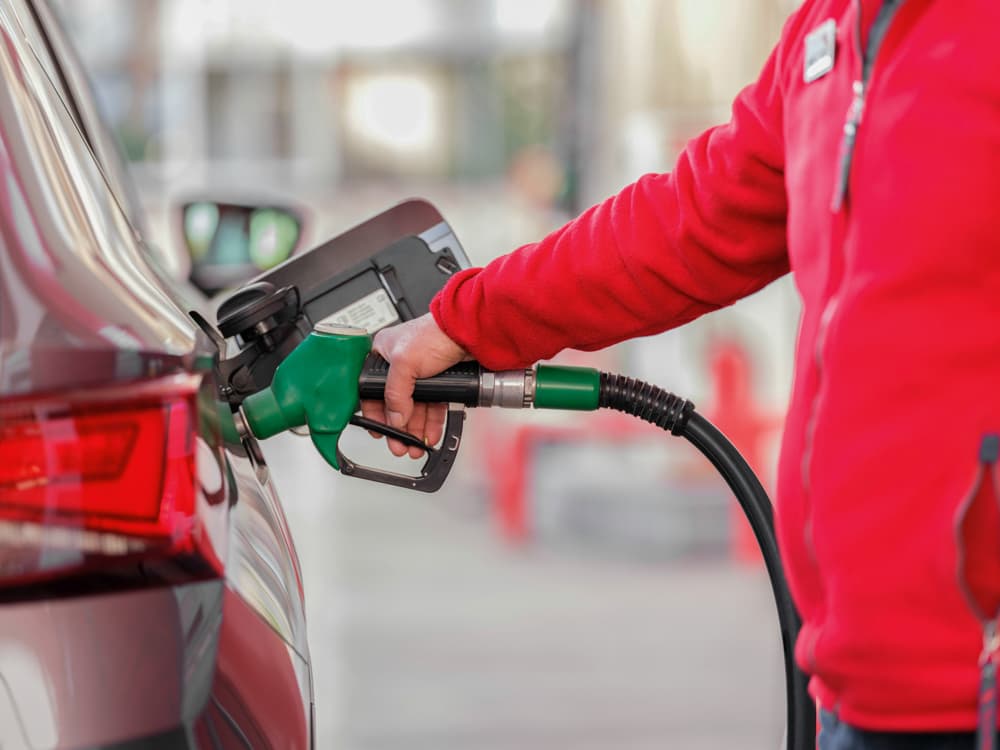
There are almost no self-service stations in Georgia — an attendant always fills the tank for you. Pull up to the pump on the side matching your fuel cap, turn off the engine, open your window and tell the attendant the grade and the amount. You can either specify a number of litres, such as 20 litres, or an amount in lari, such as 50 lari. If you want a full tank, say 'full' in English, 'polni bak' in Russian, or simply point at the fuel cap. Wait in the car until pumping is complete; paying inside is optional, the attendant takes your card or cash through the window.
Paying for fuel
Major chains accept Visa, Mastercard and contactless payments, including Apple Pay and Google Pay, at Rompetrol, Wissol, Gulf and SOCAR. Smaller stations may require cash. Always keep 50–100 GEL in cash for rural drives, especially off the main highways. Receipts are printed on request — ask for 'kvitantsia' or 'chek'. Tipping the attendant is not expected, but rounding up the bill by a lari or two is common courtesy in Georgia and always appreciated.
Extra services at major stations
The big chains offer more than just fuel. Expect free tyre-pressure checks, washer fluid top-up at no charge, glass and mirror cleaning, and often free Wi-Fi inside the shop. Rompetrol and Wissol have proper restaurants with hot food, real coffee and 24-hour seating at their flagship stops on the E60. Car washes are offered at roughly half of flagship stations for 10–25 GEL depending on vehicle size, and most also sell basic car essentials like washer fluid, oil and light bulbs.
LPG, autogas and electric charging
Autogas (LPG) is widely available at dedicated pumps within SOCAR and a few independent stations, but rental cars almost never run on LPG so most tourists can ignore it entirely. Electric charging is less developed but growing fast: SOCAR and Wissol have installed fast chargers of 50 kW and above at major stations on the Tbilisi–Batumi route, and Tbilisi has a handful of public stations including at Galleria Tbilisi Mall. If you are renting an EV, the merent booking page lists the closest chargers to each pickup point and we plan the itinerary for you on request.
Finding stations on your route
Google Maps and the Georgian app 2GIS mark all active stations with current opening hours and often with live photos from the community. On the mountain roads from Tbilisi toward Gudauri, Kazbegi, Mestia or Tusheti, fill up before you leave the main valley — stations become rare above 1500 metres and disappear entirely on the highest passes. The rule of thumb is to refuel when the tank drops to a quarter, not a tenth, in mountain regions; the extra margin is cheap insurance against running out on a cold pass.
If you run out of fuel
Running out of fuel is genuinely rare in Georgia but the fix is simple when it happens. Call merent's 24/7 line and we send a vehicle with 10 litres of the correct grade within 1–2 hours anywhere on the highway network, or 2–4 hours in remote mountain areas. The service costs the equivalent of the delivered fuel plus a small call-out fee — never try to hitchhike to a station with an improvised container, which is illegal, dangerous and invariably voids your rental insurance.